Hail Damage Roof Repair: What Homeowners in Austin Texas Need to Know
Living in Austin Texas means enjoying long summers, live music, and a vibrant community. But it also means keeping an eye on the sky during storm season. When spring arrives, so do the severe thunderstorms that can drop hail the size of golf balls or larger. I have seen what that does to roofs, and it is not pretty. After nearly two decades working in residential roofing and commercial roofing across the area, I can tell you that hail damage roof repair is one of the most common services we provide, especially after a big storm rolls through.
The first thing to understand is that hail damage is not always obvious from the ground. You might see a few dents on a gutter or a cracked skylight, but the real trouble often hides up close. Asphalt shingles can take a beating. When hail hits them hard, it can bruise the fiberglass mat, loosen the granules, or even crack the shingle. That kind of damage might not cause a roof leak right away, but over time those weakened spots let water seep in. That is why a thorough roof inspection after any major hail event is so important.
Spotting Hail Damage Early
I have walked roofs where the damage looked minor from the street, but once I got up there I found dozens of compromised shingles. With metal roofing, you might see dents or even punctures depending on the gauge of the metal and the size of the hail. The tricky part is that some roofing materials hide damage better than others. A dent in a metal panel might not leak immediately, but it can lead to corrosion or seam separation later. For asphalt shingles, the loss of granules accelerates aging and reduces the shingle's ability to reflect UV rays.
One thing I always tell homeowners is to check your attic or ceiling after a storm. If you see any water stains or feel damp insulation, you likely have a roof leak that needs attention. But even if you see nothing inside, do not assume you are in the clear. Hail damage can create tiny separations in flashing or around vents that only show up months later, often during the next heavy rain. That is why a professional roof inspection by a qualified roofing contractor is worth every penny.

The Role of Insurance in Hail Damage Roof Repair
If you have ever filed an insurance claim for storm damage, you know the process can feel overwhelming. But it does not have to be. Most homeowner policies cover hail damage, and the key to a smooth claim process is documentation. Take photos of the damage from multiple angles, and keep any receipts for temporary repairs like tarping services. If a storm leaves your roof exposed, getting a tarp over it quickly can prevent further damage and give you time to navigate the claim.
When you call a roofing contractor like Austin Roofing Company, they will often work directly with your insurance adjuster. I have seen this firsthand. The contractor inspects the roof, provides a detailed estimate, and shares it with the adjuster. That coordination speeds things up and reduces the back-and-forth. Some contractors even have dedicated staff who handle insurance paperwork, which takes a lot of stress off the homeowner. That said, it pays to understand your policy. Know your deductible and whether your policy covers replacement cost or actual cash value. Those details matter when you are deciding between roof repair and a full roof replacement.
Repair vs. Replacement: A Practical Decision
Not every hail-damaged roof needs a full roof replacement. Sometimes a targeted repair is enough, especially if the damage is limited to a few areas. But there are times when replacement makes more sense. If the roof is older, if multiple slopes are damaged, or if the roofing materials are no longer manufactured, patching might not be cost-effective. I have worked on homes where we replaced only the affected side of the roof, matching the new asphalt shingles or metal roofing to the existing color and profile. That approach can save money and still look good.
One factor that often surprises homeowners is the roofing warranty. Many shingle manufacturers require that repairs be done with compatible materials and by certified installers. If you mix brands or use the wrong fasteners, you can void the warranty on the entire roof. That is another reason to hire an experienced residential roofing contractor who knows the local building codes and manufacturer requirements. In Austin Texas, the climate also plays a role. The intense sun and heat can accelerate aging, so choosing the right materials for a repair or replacement matters for long-term durability.
Working With a Roofing Contractor After a Storm
After a big hailstorm, roofing contractors get busy fast. I have seen companies with good reputations booked weeks out. That is why it helps to act quickly but not recklessly. Get multiple estimates, check references, and ask about their experience with insurance claims. A good contractor will walk you through the claim process, help you understand what the insurance adjuster is looking for, and provide the documentation needed to support your claim.
Some contractors also offer tarping services as a temporary fix. If your roof is actively leaking, a tarp can stop the water until the permanent repair happens. That is especially important if you have interior damage or if the forecast calls for more rain. But do not leave a tarp on for too long. Tarps degrade in sunlight, and they can trap moisture against the roof, leading to mold or rot. They are a stopgap, not a solution.
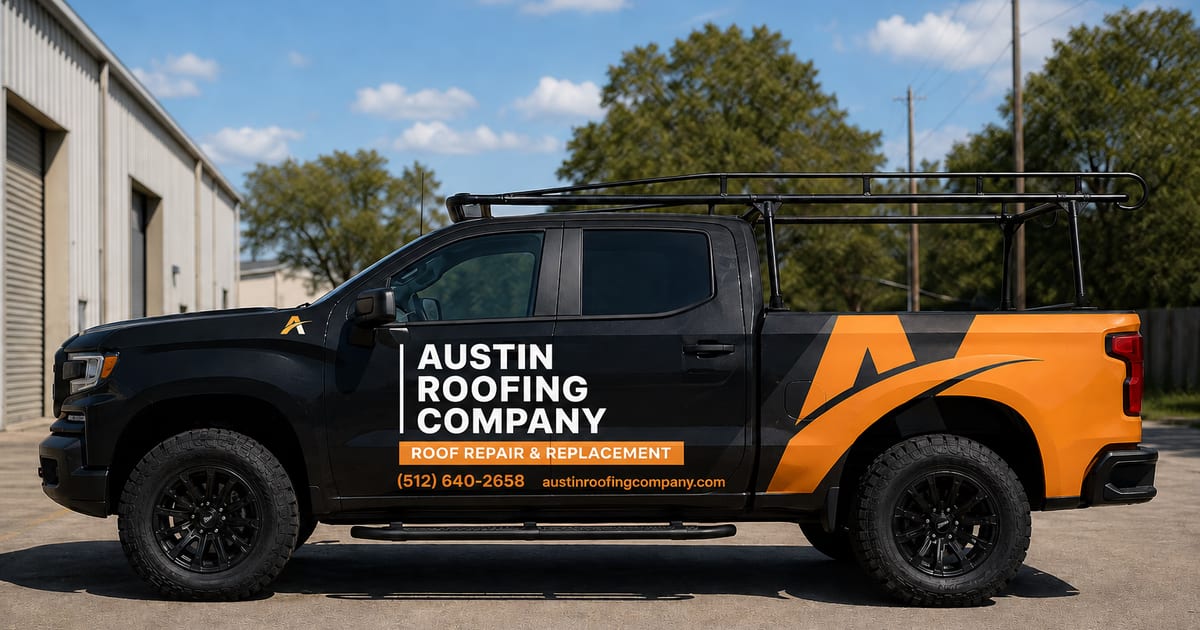
I have also seen homeowners try to handle hail damage roof repair themselves. Unless you have roofing experience and the right safety gear, that is a risky move. Walking on a damaged roof is dangerous - loose shingles, hidden soft spots, and wet surfaces make falls more likely. And if you make the repair incorrectly, you might cause more damage or void your insurance coverage. It is usually smarter to leave it to a professional.
What to Expect During a Roof Inspection
A thorough roof inspection covers a lot of ground. The contractor will look at the shingles or metal panels, check the flashing around chimneys and vents, examine the gutters and downspouts for hail dents, and inspect the attic for signs of a roof leak. They will also check the condition of the underlayment if any shingles are lifted. For asphalt shingles, they look for cracks, granule loss, and exposed fiberglass mat. For metal roofing, they check for dents, seam separation, and fastener integrity.
After the inspection, you get a report with photos and a clear explanation of what needs to happen. That report is also useful for your insurance adjuster. Some contractors even offer to meet the adjuster on-site, which helps ensure nothing gets missed. That kind of coordination can make the difference between a claim that drags on and one that gets resolved quickly.
Preparing for the Next Storm Season
Once your hail damage roof repair is complete, it is worth thinking ahead. Storm season in Austin Texas is not going away. Regular maintenance, like cleaning gutters and trimming overhanging branches, reduces the chance of damage. Some homeowners also choose impact-resistant roofing materials when they do a roof replacement. Certain metal roofing profiles and impact-rated asphalt shingles offer better protection against hail. Talk to your roofing contractor about what options fit your budget and your home's style.
Another smart move is to keep your roof inspection records and any warranty documents in a safe place. If you ever need to file another insurance claim, having that history helps. It shows the adjuster that your roof was in good condition before the storm, which can simplify the claim process.

Hail damage is frustrating, but it does not have to derail your life. With the right approach - prompt inspection, a solid claim process, and quality work from a trusted roofing contractor - you can get your roof back in shape and move on. Austin Roofing Company has been helping homeowners in Austin Texas do exactly that since 2008, and the key is always the same: catch the damage early, work with the insurance company, and use materials that will last.
Whether you need a simple repair or a full roof replacement, the steps are similar. Start with a professional roof inspection, document everything, and choose a contractor who understands both the technical side and the insurance side. That combination makes hail damage roof repair a manageable process, not a nightmare.